
Summertime Tips
Mary Alice Pike
Jun 3, 2026
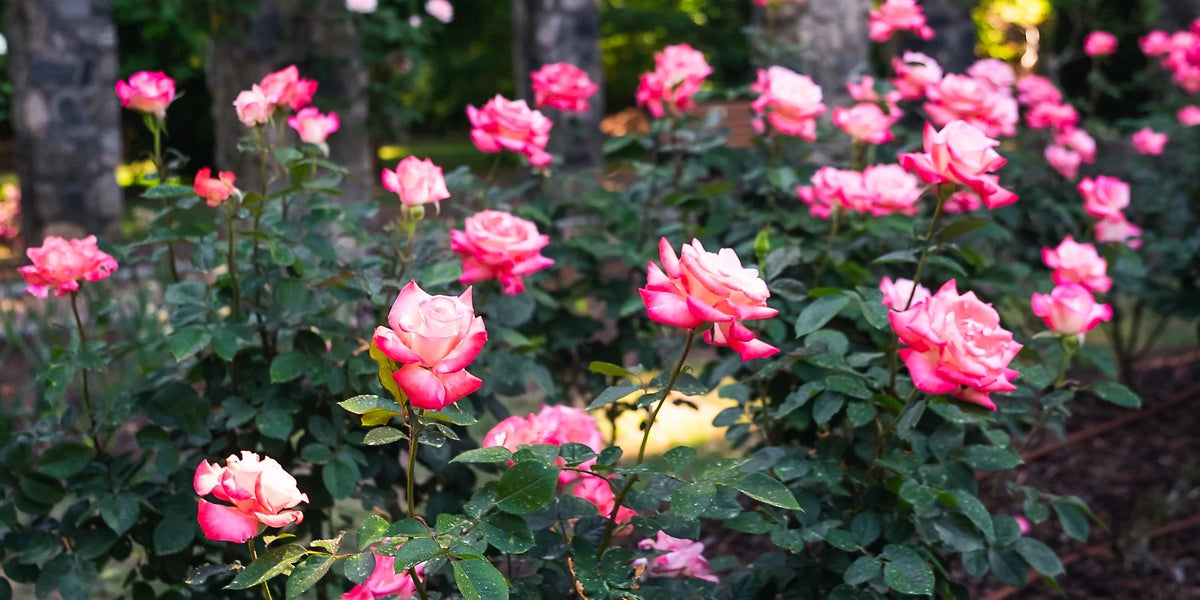
Keeping Roses Thriving Through the Heat: Essential Summer Gardening Tips Summer is both a season of reward and challenge for rose gardeners. Blooms are at their most spectacular, but heat, drought, humidity, and pests can put even the healthiest plants under stress. With a little extra attention during the warmer months, you can keep your roses vigorous, beautiful, and blooming well into autumn. 1. Water Deeply — and Wisely Roses are thirsty in summer, but how you water matters as much as how much. Water at the base, not overhead. Wet foliage invites fungal diseases like black spot and powdery mildew, which thrive in humid conditions. Water deeply and infrequently — aim for 5 to 7 gallons per plant per week — to encourage deep root growth rather than shallow surface roots. A slow soak once or twice a week is far better than a light daily sprinkle. Keep in mind that your soil composition plays a big role here: sandy soils drain quickly and may need more frequent watering, while dense clay soils hold moisture longer and can get by with less. Adjust your schedule based on how your soil actually behaves. Water in the morning so any splash on leaves dries quickly in the sun. Avoid watering in the evening, which leaves plants damp overnight — prime conditions for disease. A soaker hose or drip irrigation system is one of the best investments a rose gardener can make for the summer months. 2. Mulch Is Your Best Friend A 2–3 inch layer of organic mulch around the base of your rose bushes does tremendous work all summer long: Retains soil moisture, reducing how often you need to water Regulates soil temperature, keeping roots cool even when surface temperatures soar Suppresses weeds that compete for water and nutrients Breaks down over time, improving soil structure For roses, pine bark mini nuggets or shredded mulch are excellent choices — both regulate moisture and temperature well without compacting heavily over time. Keep the mulch a few inches away from the main canes to prevent rot and discourage pests. 3. Deadhead to Encourage Reblooming For repeat-blooming varieties, regular deadheading — removing spent flowers — is essential to keep roses producing new blooms all summer. Cut spent blooms down to the second 5-leaflet leaf, angling your cut at about 45 degrees just above an outward-facing bud. Sharp, clean pruners make cleaner cuts and reduce disease risk. Wipe blades with rubbing alcohol between plants if disease is present in your garden. For once-blooming roses (those that flower only in late spring/early summer), skip deadheading if you want to enjoy colorful rose hips in the fall. 4. Stay Ahead of Pests Warm weather brings increased pest activity. Keep a close eye on your plants and act early. Common summer rose pests include: Japanese beetles — handpick in the morning when they're sluggish, or use Eight or insecticidal soap as a spray. Aphids — blast them off with a strong stream of water, or use insecticidal soap for heavier infestations. Spider mites — thriving in hot, dry conditions; increase humidity around plants and use miticide if necessary. Rose sawfly larvae — look for skeletonized leaves and remove by hand or treat with neem oil. Inspect both sides of leaves regularly. Catching pest populations early makes control far easier. 5. Watch for Fungal Disease Black spot and powdery mildew are the most common fungal problems in summer rose gardens, and they spread quickly in warm, humid weather. Apply fungicide first and stay consistent — spray every 7 to 10 days using both a contact fungicide (which kills spores on the surface) and a systemic fungicide (which is absorbed by the plant to fight infection from within). Rotating between the two helps prevent resistance from building up. Remove and dispose of infected leaves promptly — never compost diseased material. Improve air circulation by pruning out crowded canes and avoiding planting roses too close together. 6. Let Roses Rest During Extreme Heat When temperatures exceed 90–95°F for extended periods, roses may pause blooming and show signs of heat stress — wilting, leaf drop, or scorched leaf edges. This is normal. Don't panic or over-fertilize during a heat wave. Increase watering frequency slightly but don't flood the soil. Roses will often bounce back beautifully once temperatures moderate in late summer or early fall. 7. Cutback for Late-Summer Blooms In many climates, a light summer cutback in late July or early August can trigger a stunning flush of autumn blooms. Remove dead, damaged, or crossing canes. Cut back the tips of canes by about a third to encourage branching and bud development. Time this pruning so that 6–8 weeks remain before your first expected frost — that's typically the window roses need to set and open new buds. A Season Worth the Effort Summer rose gardening demands consistency and attention, but the rewards — fragrant, vibrant blooms in colors from cream to crimson — are well worth it. By watering thoughtfully, staying vigilant against pests and disease, and giving your plants the care they need through the heat, you'll carry the best of the summer garden all the way to the first frost. Happy gardening!

Bareroot Roses: Your Guide to Planting Success
Mary Alice Pike
Oct 31, 2025
Bareroot Roses: Your Guide to Planting Success There's something magical about planting bareroot roses. While the rest of the garden sleeps under winter's blanket, you're giving your roses the gift of time—time to establish strong roots, time to settle in before the rush of spring growth, and time to reward you with an exceptional first bloom. Why Choose Bareroot Roses? Strong Root EstablishmentBareroot roses planted during dormancy focus all their energy on developing roots before spring growth begins. This head start allows them to establish well in your garden soil and settle in before the demands of leaf and flower production kick in. Better SelectionPre-ordering bareroot roses gives you access to the widest variety selection of the season. Popular cultivars sell out quickly, and ordering early ensures you'll get exactly the roses you've been dreaming about for your garden. Cost-Effective QualityBareroot roses offer premium quality at a more accessible price point. You're investing in the plant itself rather than paying for container growing time, potting soil, and the logistics of shipping heavy pots. Straightforward Planting ProcessBareroot roses offer a simple, straightforward planting process. You can see the root structure clearly, making it easy to position the plant at the proper depth. Dig your hole, create a soil mound, spread the roots naturally, and backfill—it's a satisfying process that connects you directly with the plant from day one. Ideal Dormant Season PlantingPlanting while roses are dormant reduces transplant shock significantly. The plant can focus entirely on root establishment without the energy demands of supporting leaves and flowers. When spring arrives, your rose is already settled in and ready to grow. Pre-Order Now for Best Selection The secret to getting the exact roses you want? Pre-order now. Our bareroot rose inventory arrives in January, and we begin releasing orders in February. The early weeks of our bareroot season offer the most complete selection—from classic hybrid teas to hardy landscape roses, climbing varieties to disease-resistant Knock Outs. As the season progresses, popular varieties disappear quickly. Pre-ordering guarantees you won't miss out on that special rose you've had your eye on all year. Nationwide Shipping Through April We ship bareroot roses nationwide through April, carefully packaging each plant to arrive in prime condition. Our shipping process protects roots during transit and includes detailed planting instructions so you can get your roses in the ground with confidence. Whether you're in North Carolina or across the country, bareroot roses ship beautifully and establish reliably when planted during their dormant period. Local Customers: The Best of Both Worlds If you live within driving distance of our garden shop, you have a wonderful advantage—access to both bareroot roses during the prime planting season and potted roses as spring arrives. Bareroot Through MarchWe encourage local customers to take advantage of bareroot roses from February through March. You'll enjoy the same benefits as our shipping customers: excellent selection, great value, and the satisfaction of winter planting. Plus, you can pick up your pre-ordered roses directly from our garden shop and get personalized planting guidance from our team. Transition to Potted Roses in AprilOnce April arrives, we recommend shifting to potted roses for several reasons: You can see exactly what you're buying, including early growth and sometimes first blooms Plants are already actively growing and will establish quickly in warming soil No concerns about proper bareroot planting timing as temperatures rise Immediate gratification with roses already leafed out and thriving Ability to visualize mature size and form before committing Extended planting season with more flexibility Our team is always here to help you select the perfect rose and will recommend the best option—bareroot or potted—based on the current season and your specific garden conditions. Ready to Start Your Rose Journey? For 75 years, Witherspoon Rose Culture has been helping gardeners across North Carolina and beyond create stunning rose gardens. Whether you're planting your first rose or adding to an established collection, we're here to support you every step of the way. Pre-order your bareroot roses today for the best selection, or mark your calendar for mid-April to visit our garden shop and choose from our potted rose collection. Questions about which option is right for you? Contact our team—we're always happy to help you make the best choice for your garden.

Fall Rose Care
Mary Alice Pike
Oct 24, 2025
Putting Your Roses to Bed: Essential Fall Care for a Healthy Winter As the growing season winds down and cooler temperatures settle in, it's tempting to think your rose care duties are done for the year. But fall is actually one of the most critical times to give your roses the attention they need. The work you do now will determine how well your plants survive winter and how vigorously they bounce back next spring. Here are five essential fall rose care tasks to help your garden transition smoothly into dormancy. 1. Keep Spraying (Yes, Really!) Even as blooms fade and leaves start to drop, pests and diseases are still active in your rose garden. Aphids, black spot, powdery mildew, and rust don't take a break just because summer is over. In fact, allowing these problems to go unchecked in fall means they'll overwinter in your garden and return with a vengeance come spring. Continue your regular spray schedule through fall to keep fungal diseases and pests under control. This protects the foliage your roses still have and prevents spores and insects from settling into your beds for the winter. 2. Stop Fertilizing After September This is one of the most important rules of fall rose care: no fertilizer after September. Here's why: Fertilizer—especially nitrogen—encourages fresh, tender growth. In fall, that's the last thing you want. New shoots won't have time to harden off before frost hits, making them vulnerable to cold damage or dieback. By late summer, your roses naturally shift their energy from producing leaves and flowers to strengthening roots and canes for winter survival. Cutting off fertilizer supports this transition and allows your plants to focus on building reserves rather than pushing out soft new growth. Plants that are still actively growing when freezing temperatures arrive are much more susceptible to winter injury. Let them rest. 3. Keep Watering Until the First Hard Frost While your roses may not be blooming anymore, their roots are still hard at work. Even after the flowers fade, roots continue to grow and store energy that will fuel next spring's growth. Consistent watering through fall helps them build strong reserves before the ground freezes. Dry soil going into winter stresses plants and can lead to root or cane dieback. Moist (not soggy) soil provides insulation for roots and helps them withstand freezing temperatures. Your roses are also still absorbing nutrients from the soil in fall, and adequate water ensures those nutrients reach the root zone. Once the first hard frost hits—temperatures below 28°F for several hours—your roses will go dormant and no longer need regular watering. Until then, keep their water supply steady. 4. Cut Longer Stems As you continue to deadhead or harvest blooms in fall, switch to cutting longer stems. This light pruning helps tidy up your plants without stimulating excessive new growth. Save your major pruning for late winter or early spring, but don't be afraid to clean up leggy or crossing canes now. 5. Remove Fallen Leaves from the Bed This simple task makes a huge difference in your garden's health. Fallen rose leaves are often covered in fungal spores from black spot, powdery mildew, and rust. If you leave them on the ground, those spores will overwinter in the debris and reinfect your plants as soon as conditions warm up in spring. Removing leaf litter breaks that disease cycle. Fallen leaves can also shelter insect pests and their eggs through winter—think sawflies, thrips, and spider mites. Cleaning up debris now reduces pest populations before they hatch next season. Finally, a clean rose bed improves air circulation and reduces humidity around your plants, both of which are essential for disease prevention. Questions? Fall rose care doesn't have to be complicated, but it does require attention to detail. Following these five steps will set your garden up for winter success and make next spring's bloom season even more spectacular.

Embracing Autumn's Beauty: Enjoying Your Fall Roses
Mary Alice Pike
Aug 29, 2025
As the summer sun begins to wane and the days grow shorter, many gardeners bid farewell to their vibrant blooms, believing that the colorful spectacle of their roses is reserved exclusively for the warmer months. However, autumn has its own unique charm, and it's entirely possible to continue enjoying your roses well into the fall season. In this blog post, we'll explore some tips and ideas to help you make the most of your garden's radiant roses during this enchanting time of the year. Deadheading Fall is the perfect time to give your roses some much-needed attention. Start by deadheading spent blooms and removing any diseased or damaged foliage. This not only enhances the overall appearance of your rose bushes but also encourages them to produce new blooms that are larger and more vibrant than your summertime blooms. Watering and Mulching Maintaining proper hydration is crucial for your roses to thrive during the fall. Continue watering them regularly, but be mindful of overwatering, as cooler temperatures mean the soil retains moisture better. Applying a layer of mulch around the base of your rose bushes will help regulate soil temperature, conserve moisture, and deter weeds, promoting healthier growth. Pest Control Keep a close eye on your plants and address any pest issues promptly. Remove any fallen leaves and debris from around your roses to prevent disease spread and continue your regular spray routine. Autumn Floral Arrangements Don't limit your enjoyment of roses to the garden alone. Cut some of your late-season blooms and create stunning floral arrangements to decorate your home. Combine them with other fall foliage, such as colorful leaves or ornamental grasses, to create a beautiful seasonal centerpiece or bouquet. Preserving Roses Extend your rose enjoyment into the winter by preserving some of your fall blooms. Drying or pressing roses is a wonderful way to capture their beauty for months to come. Use dried rose petals in potpourri, sachets, or homemade bath products for a fragrant reminder of your garden's autumn splendor. While roses may be most celebrated for their summer display, they have much to offer throughout the fall season. With some attention to care and the right choices in plant varieties, you can enjoy the beauty and elegance of roses well into autumn. Embrace the changing seasons, savor the late-blooming flowers, and make the most of your garden's radiant roses as they continue to enchant you during the fall months.

June Rose Care
Witherspoon Rose Culture
Jun 3, 2025
June Rose Care: Keep Your Blooms Thriving All Month Long June is peak season for roses—those beautiful, fragrant blooms are putting on their best show. But as temperatures rise, so do some common challenges. Here's what to focus on this month to keep your roses healthy and vibrant. 1. Watch Out for Japanese Beetles Japanese beetles often make their appearance in June, and they can wreak havoc on rose leaves and blooms. These shiny, copper-colored insects feed in groups and can quickly skeletonize foliage. One product that can help eliminate them is our Japanese Beetle Killer. Other folks may find hand-picking beetles early in the morning and dropping them into soapy water an effective control method. 2. Deadheading: Encourage More Blooms Regular deadheading (removing spent blooms) encourages your roses to keep producing flowers instead of going to seed. Use clean, sharp pruners and cut back just above the second set of five healthy leaves. This simple task not only boosts bloom production but also keeps your rose bushes looking neat and well-tended. 3. Keep Roses Well-Watered As the heat intensifies, roses need consistent watering—especially if rainfall is scarce. Aim to water deeply at the base of the plant 2–3 times per week, rather than shallow, frequent watering. Early morning is best to avoid disease and give roots the moisture they need to power through hot days. Mulching around the base of your roses can help retain moisture and keep roots cool. A Little Effort Goes a Long Way With just a bit of care, your roses will reward you with months of color and beauty. Keep an eye out for pests, stay on top of deadheading, and give them the water they need to flourish. Your garden—and your roses—will thank you! 🌹 Prefer to spend your time enjoying your garden instead of maintaining it? Let us do the work for you! Our expert team offers seasonal rose care services including pest management, pruning, watering support, and more. Contact us today to schedule a visit and give your roses the professional care they deserve. View our service area.

May Rose Care
Mary Alice Pike
May 14, 2025
Roses are starting to bloom across NC and that means deadheading will soon begin! Deadheading is removing the spent blooms from your roses, and we deadhead to promote more BLOOMS! So, let's get those pruners out and talk about deadheading and cutting blooms for the kitchen table!

April Rose Care
Witherspoon Rose Culture
Mar 26, 2025
Spring is Here! Now that your plants are coming out of dormancy and even pushing out some leaves, it is time to unmound the plants and start your preventative spray program. Unmounding the plants after the danger of frost has passed, which is around April 15 in NC, will allow the base of the plant to put out new canes. Be careful when unmounding because, if you’re lucky, new canes are already starting to emerge under that pile of mulch. Don’t break them off when pulling the mulch away from the plant. Now that you have unmounded your roses, it's time to begin a spray program for the growing season! Fungicide In the southeast United States, due to high humidity, the most important plant protectants that you can use for roses are fungicides. Fungicides come in many different forms, formulations, and modes of action. Systemic fungicides – soak into the plant tissue and sometimes travel throughout the plant to help fight blackspot, powdery mildew, or downy mildew. These fungicides can be applied as a spray solution or in a soil drench or granular application. There are fertilizer products that include systemic fungicides as well. Contact fungicides – applied directly to the plant surfaces where they destroy fungal spores on contact. They always use a foliar application and come in many different forms. Most of the “natural” fungicides on the market are contact fungicides. Application – whichever method or product you choose, follow the label strictly to ensure correct and effective application. When spraying, the product has to be applied to the bottom of the leaf as well as the rest of the plant. Fungal spores attach to all parts of the plant, especially the forgotten underside of the leaves. Apply the fungicide to the entire rose bush to the point of a light drip, paying special attention to the underside of the leaves. **We have found that the best way to protect roses from the onset of fungal diseases is to combine a contact fungicide with a systemic fungicide. This can be done by combining both products in the same spray application. As always, carefully read the label of any chemical that you use and apply it per label instructions. Insecticides When leaves begin to shrivel up and holes appear in buds, we know there is an insect feasting on the rose bush. Aphids, thrips and various types of chewing worms are the main pests to watch out for on roses. Please keep in mind that with any pest control program the idea is to work with nature to keep a balance, NOT to eradicate every living creature in your garden! Systemic insecticides – absorbed into the plant tissue and delivered to the insect as it eats the plant tissue. These insecticides can be applied with fertilizer, in a soil drench, or a foliar application. Contact insecticides – eliminate insects on contact, usually applied as sprays to the leaves and blooms of the plants. If insects are present during the time of application or if they ingest leaves that have been sprayed, they will be affected. Like all plant protectants there are many products that are listed as organic or natural. Neem oil and pyrethrin are two main natural insect controls. As with all products read the label carefully to see what insects these products control. Common Rose Pests Include: Aphids - develop huge colonies that suck the juices out the stems and buds. The damage that they impart is limited and they are relatively easy to control. Most systemic or contact control products including natural insecticidal soap will lower the aphid population. In most cases it takes repeated applications at 5-7 day intervals to get them off of your bushes completely. Thrips - are tiny insects that live inside your rose buds and suck the water out of the base of the petal leaving brown spots on your blooms. Systemic insecticides do not help with thrips control because the tissue of the rose leaf is different from that of a petal and the flowers do not absorb the product systemically. Use a contact product that is labeled for thrips and spray it into the bloom getting it all the way down to the base of the bloom whenever possible. Beneficial insects are a crucial part of maintaining ecological balance in your garden. They will eat many of the pest insects and naturally keep the populations from growing out of control. When you apply broad spectrum insecticides to your garden, you may be killing beneficial insect along with the pest insects and you are risking even greater populations of pest insects in the near future. Broad spectrum insecticides will also quickly get rid of any butterflies or bees that you may want in your garden. We strongly recommend limited use of broad spectrum insecticides. If you must use them, smart application will help. Only apply them early in the morning and to parts of the plant where the infestation is the greatest, possibly with a small spray bottle. Targeting small areas to spray, rather than blanketing the plant and garden with strong insecticides is a good way to save the beneficial insects Related Articles: Rose Gardens Need a Little Spring Cleaning Too!

Kickstart Your Roses for a Bountiful Spring!
Mary Alice Pike
Mar 5, 2025
Roses are one of the most beautiful and rewarding plants to grow in any garden, but to achieve those stunning blooms and robust growth, they require proper care — and that includes fertilizing. While there are many different approaches to feeding your roses, using the right fertilizer can make all the difference in your plants’ health and performance. Among the top choices, Witherspoon's Premium Fertilizer is a standout, offering a unique advantage: it's a 2-in-1 formula that combines both quick and slow-release fertilizers, requiring just one application per season. Why Fertilize Your Roses? Roses are heavy feeders, which means they absorb a lot of nutrients from the soil. Without proper fertilization, they can become weak, fail to bloom properly, or suffer from pests and diseases due to stress. Properly nourished roses are healthier, more vibrant, and better equipped to resist environmental challenges. Fertilizing your roses helps replenish essential nutrients that the soil may lack, ensuring your roses grow strong and vibrant. The primary nutrients that roses need are: Nitrogen (N): For leafy growth and overall plant health. Phosphorus (P): To encourage strong root development and promote blooming. Potassium (K): For disease resistance and overall plant strength. Other essential elements like calcium, magnesium, and sulfur also play crucial roles in the plant’s health and blooming process. The Challenge of Fertilizing Roses One of the most common questions rose gardeners face is how often to fertilize. Traditional rose fertilizers require several applications throughout the growing season to ensure your plants continue to thrive. This can be time-consuming and sometimes difficult to manage, especially for busy gardeners or those who want a low-maintenance approach. This is where Witherspoon's Premium Fertilizer comes in. How to Apply Witherspoon’s Premium Fertilizer Using Witherspoon's Premium Fertilizer is simple and hassle-free. Here’s how to apply it for the best results: Timing: Apply the fertilizer in early spring, just as your roses begin to emerge from dormancy. This is when they need the most nutrients to kickstart the growing season. Preparation: Gently loosen the soil around the base of each rose bush using a rake or hoe. This helps the fertilizer penetrate the root zone and ensures optimal absorption. Create 2 holes on either side of the rose beneath the mulch you have. Application: Sprinkle 1 cup of Witherspoon’s Premium Fertilizer in each hole for a total of 2 cups per rose. Be sure to follow the guidelines for the best results, as over-fertilizing can harm the plant. Watering: After application, water your roses thoroughly. This helps activate the fertilizer and ensures that the nutrients begin to absorb into the soil and reach the roots. If rain is in the forecast, you can let nature do its thing. Additional Tips for a Bountiful Spring While Witherspoon’s Premium Fertilizer provides all the nutrients your roses need for the year, other factors also play a crucial role in keeping your roses healthy: Watering: Roses need deep watering, especially during hot weather. Aim to water deeply at the base of the plant to avoid wetting the foliage, which can promote disease. Weeding: Regular weeding around your roses is vital for the success of the plant. Keeping weeds at bay will help reduce pests and your rose won't have to fight for nutrients. Mulching: A layer of mulch around the base of your roses can help retain moisture, suppress weeds, and maintain a consistent soil temperature. Additional Options for Fertilizing Here are two common fertilizers that we also find to be good. Rose Tone: excellent organic option that will require multiple applications throughout the growing season. 10-10-10: this common fertilizer among gardens can also be used on roses and will require multiple applications throughout the growing season.

Plant in the fall or spring? Bareroot vs. Potted roses
Witherspoon Rose Culture
Feb 4, 2025
Many people ask these very same questions, and if you search online you will find many different opinions. Here's a brief explanation of how we, at Witherspoon, operate our rose growing department. At Witherspoon, we get all our roses in at one time (January), and we spend a couple of weeks grading and prepping our 22,000 roses. We keep a portion of the roses bareroot, and the rest are potted into 3-gallon containers. Bareroot roses are dormant plants and should be planted in the cooler months before new growth begins to form. Potted roses should be planted after the threat of frost has past. In North Carolina, that is typically around mid-April. The potted roses have been in our greenhouses pushing out new growth and are sensitive to frost damage. Bareroot roses are available for planting February to mid-April; however, the window for planting a bareroot rose will vary based on your location. Potted roses are available locally for planting mid-April through October. So, should I plant in the fall or in the spring? With a new understanding of how we operate, you see that we get all of our roses in at once. In the spring, you will have the largest selection to choose from, and as the season progresses we begin selling out of varieties. We successfully plant from February through the end of October and believe you can too! Roses need ample water when they are planted, so we discourage folks from planting right before a long vacation. If you would like more information on how Witherspoon can care for your rose garden or install a garden for you, feel free to email us. At the Garden Shop, we are here to help with any questions. You can email the Garden Shop directly for answers to your rose care questions here. Which will you choose, bareroot or potted?

February Rose Care
Mary Alice Pike
Feb 4, 2025
Pruning is an important task which requires a more skilled hand than that of the generalized cutback we do in December. Our focus is on cutting out dead and diseased canes, and removing spindly or unthrifty growth.

January Rose Care
Witherspoon Rose Culture
Jan 10, 2025
Applying dormant spray is one of the best things you can do for your rose bushes during winter. We recommend using a Dormant Spray Oil mixed with a Contact Fungicide. Why Use Dormant Spray? It is a desiccant that will dry up the remaining leaves on your bushes. This is especially helpful in climates that have warm winters in that it will help the bush drop its leaves and go dormant. The Dormant Oil will smother any spider mite eggs or other detrimental insect eggs and larva that are overwintering in your rose bushes and garden mulch. The Fungonil, or contact fungicide of your choice, will dry up any fungal spores that are still lingering on your plants and in your garden mulch. By eradicating fungal spores and insect eggs, it is less likely the first rain of the season will splash the trouble-making spores and eggs back onto your bush. How to Use Dormant Spray: Mix up 3 Tablespoons of Dormant Spray, 2 1/4 teaspoons of Fungonil, and 1/2 teaspoon of Spreader Sticker with 1 gallon of water. Spray bushes AND the mulch surrounding the roses. Wait 2 weeks and apply for a second time if blackspot, downey mildew, or spider mites were an issue during the previous growing season.

December Rose Care
Witherspoon Rose Culture
Dec 12, 2024
Winterizing Your Rose Garden As winter approaches, it's important to take steps to protect your roses from the harsh weather ahead. Winterizing your roses helps them survive the cold temperatures, frost, wind, and snow, ensuring they bloom beautifully when spring arrives. One of the best ways to winterize your roses is by cutting them back and mounding them with mulch. Let’s take a closer look at these essential steps. Step 1: Cut Back Your Roses to About 36 Inches The first step in winterizing your roses is to cut them back properly. This is not the same as deadheading or pruning. You do not need to cut at a five-leaflet. Start by cutting back the canes to about 36 inches. This may seem like a dramatic reduction, but reducing the amount of plant material that could be damaged by frost or snow is necessary. Use clean, sharp pruning shears to make cuts. You will still want to cut back your climbing roses, but not to the height of 36". Consider taking off no more than half of the rose. Step 2: Clean Up Around the Base of the Plant Before moving on to the next step, clear away any fallen leaves, dead stems, or other debris from around the base of the plant. This helps reduce the risk of disease and pests overwintering near your rose bushes. Step 3: Mound Your Roses with Mulch Mounding your roses with mulch is one of the most effective ways to insulate the roots and protect them from extreme cold. Use a generous amount of organic mulch — such as pine bark or hardwood mulch — and pile it over the graft of the rose to a height of about 6 to 8 inches. This layer of mulch acts as an insulating barrier, helping to regulate the temperature around the graft and root zone and keep the soil from freezing. If your roses are on their own root, you will still want to add 6 to 8 inches of mulch around the base of the plant. Mulch also helps retain moisture, which is important since winter dryness can stress your plants. Be sure to pile the mulch around the base of the plant. Step 4: Keep an Eye on the Weather Once you've winterized your roses, monitoring the weather is important. If temperatures rise during the winter, you can remove the mulch or protective coverings to allow the plants to breathe. If a cold snap occurs, you may want to add extra layers of mulch or protection to safeguard your roses. Things to Remember Cutting back and mounding your roses should be done every year to protect them from possible cold damage Pine straw or leaves do not insulate enough, so they are not recommended for winter protection. Before cutting back, ensure your pruners are sharp and in great working order. This will make the job easier and safer for you. While we are sad to see the growing season come to an end, we can get excited about giving our roses time to rest and recoup for the next season! Winterizing your roses is a simple yet crucial task that will help ensure the health and vitality of your plants come spring. By cutting back your roses to about 36 inches and mounding them with mulch, you’re giving them the best chance to weather the cold months and thrive in the warmer season. Remember to clean up around the base, remove dead material, and provide extra protection for more tender varieties. Happy gardening, and may your roses bloom beautifully in the year ahead!

How to Top Dress Your Garden Beds
Mary Alice Pike
Nov 4, 2024
As the vibrant colors of fall take center stage, it’s easy to forget about our beloved roses. However, fall is the perfect time to give your roses some extra love and attention, ensuring they thrive come spring. One effective way to enhance your rose care routine is by using composted cow manure as a top dressing. Let’s dive into the best practices for fall rose care and how to incorporate this nutrient-rich amendment into your gardening regimen. Adding Nutrients with Composted Cow Manure Why Composted Cow Manure? Composted cow manure is a powerhouse of nutrients. It’s rich in nitrogen, phosphorus, and potassium, all essential for healthy plant growth. Additionally, it improves soil structure and drainage, fostering a healthy environment for your roses’ roots. Using composted manure in the fall sets your roses up for a nutrient boost as they awaken in the spring. How to Apply Composted Cow Manure Choose Quality Compost: Ensure you’re using well-aged, composted cow manure. Fresh manure can be too strong for plants and may burn their roots. Top Dressing Application: After cleaning up your rose beds, rake back the mulch away from your bed, spread a layer of composted cow manure around the base of your roses. Aim for about 1-2 inches in depth. Incorporate Lightly: For best results, lightly rake the compost into the top layer of soil. This allows the nutrients to seep into the ground and become available for the roots when spring arrives. Watering Post-Application: After applying the compost, give your roses a gentle watering. This helps the nutrients start to break down and integrate into the soil. Taking the time to care for your roses in the fall will pay off with vibrant blooms in the spring. This simple top dressing not only provides essential nutrients but also enhances the overall health of your garden soil. So as you enjoy the crisp air and falling leaves, remember that your roses will thank you for the care you give them now! Happy gardening!

Summer Rose Care
Mary Alice Pike
Jun 11, 2024
As the sun stretches its rays longer each day and temperatures climb higher, it's time for rose enthusiasts to dive into the heart of summer care for these beloved blooms. Roses, with their captivating beauty and fragrant allure, are a staple in many gardens, but they require some special attention during the warmer months to ensure they continue to thrive. From proper watering techniques to the art of deadheading, here's your guide to nurturing your roses through the summer heat.

The Essence of Flowers
Witherspoon Rose Culture
Apr 24, 2024
Flowers are the only things in God’s creation that hold their value solely in their beauty and the joy they bring to us. Vegetables offer nutrition. Trees offer shelter. Animals have provided transportation. Insects are necessary for pollination. What about flowers? What usefulness do we find in flowers? We can eat them, though we seldom do. They are of little use as a building product. Flowers are of no use for transportation. No, the value of a flower, especially a breath-taking rose, is its beauty and fragrance. The real essence of a rose is found in the joy it brings to us. This has been true since the beginning of time. So what of “ the essence of flowers”? Probably everyone has received flowers from someone: maybe a carnation at your dance recital, or roses from a boyfriend on Valentine’s Day. You probably carried flowers on your wedding day; or found comfort in flowers when a loved one passed away. And one day you may receive a wild flower from your own little girl or boy. What a joy! So what will you do when you receive roses? 1. Realize their value and their true essence and accept them with joy! 2. Put them in water right away. They will not look very joyful in an hour, if you don’t! Roses have columns in the stems that transport the water to the bloom. It’s best to make a fresh cut and put them directly in water. Hot or cold water? Just fresh water. Should you use an aspirin in the water, a few drops of Clorox or a floral preservative? Sure! These products reduce bacteria in the water so they’ re helpful. Re-cutting the stems after a couple of days and replacing the water again is also very helpful. 3.Then, set the roses in a cool place to enjoy them. What if it’s a corsage or bridal bouquet and you really want to preserve it? Well, you can preserve it in silica sand, simply by pouring a layer of silica sand in the bottom of a large cookie tin. Gently lay the flowers in and gingerly pour the sand down into the flowers, covering them completely and sealing the container. If you keep them for three to five days, the flowers will dry and maintain their shape. For bouquets, look for a company that freeze-dries for you. This will preserve them even better with great form and color. Now what about your own garden – one day? If you only have room for one pot of flowers, don’t live without your own flowers! Plant according to directions. If the plant variety does best in sun, don’t plant it in the shade. But don’t obsess! There will always be a bug, or a weed to distract you, but refocus! Enjoy your flowers! When you’re arranging your flowers, especially a beautiful bouquet of roses, don’t be too critical of the flowers or your talent in arranging them. Keep in mind color, balance and proportion. But, regardless of the imperfection of the arrangement, each flower will play its role. It will be beautiful! Finally, indulge yourself in the luxury of sharing your flowers with someone else! For a birthday, for a housewarming, for a thank you, for a “just because”, share your flowers. Then you’ll have gone full circle in experiencing the true “essence of flowers”.

Spring Cleaning in Your Rose Garden
Garden Shop
Mar 20, 2024
Imagine arranging a beautiful, perfumed rose bouquet cut fresh from your own rose garden … With April right around the corner, here are 10 easy tips for cleaning up your rose garden -- right now -- especially if you weren’t pleased with the results you had last year (i.e., had diseases or insect problems). Get off to a clean start so you’ll enjoy enhancing your life this year with your own award-winning roses. Plants should have been pruned in February, so if they are still over 2.5 feet, they should be pruned now. (Climbers are different and should not be reduced to that height.) Replace plants that are spindly or reduced to less than 3 healthy canes (pencil diameter). NOW’s the best time to plant fresh rose plants. Clean mulch. Rake off old mulch that often harbors black spot spores and insects. Apply the Witherspoon Premium 2 in 1 Fertilizer to give your roses a boost of energy. Top dress bed with well-rotted cow manure if your rose garden is several years old and in need of some extra nutrients. Apply 3” layer over entire rose bed. Apply 3” layer of clean mulch, NOT PINESTRAW. Check irrigation system. Replace any needed parts. Apply deer repellent, since deer dearly love the fresh new growth. Check garden supplies for plant protectant materials needed to combat insect and diseases. Prepare equipment and supplies for first application in mid-April. Sharpen cutting shears and get ready to reap the benefits of good rose gardening around Mother’s Day!